
When a co‑worker dies, it can be deeply unsettling. Learn how your relationship with the person, the circumstances of the death, and how the news is shared can shape grief at work.

Suicide bereavement support groups are a helpful resource to meet and talk with others who understand your grief journey.

Safer Conversations about Suicide on Social Media is a brief, practical guide from the Mental Health Commission of Canada to help you talk about suicide more safely on social media.
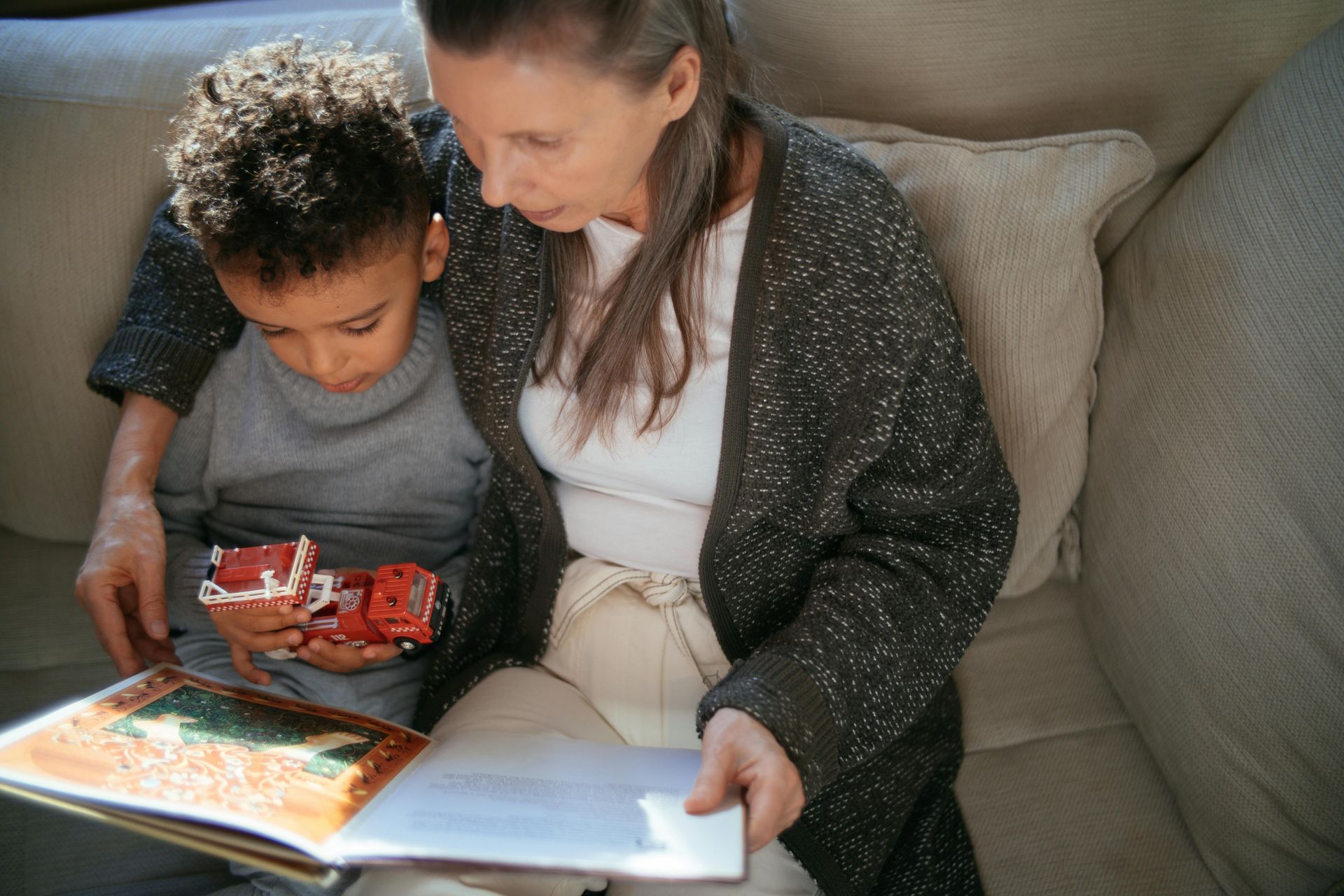
If you are supporting a child or teen who has experienced the loss of someone to suicide, it can be challenging to know how best to help them through their grief. The booklet, Children, Teens and Suicide Loss , created by the American Foundation for Suicide Prevention in partnership with the Dougy Centre , offers clear, compassionate guidance tailored specifically for parents and guardians. Within its pages, you’ll find vital information on how young people of different ages understand and process suicide loss, practical advice on using age-appropriate language when talking about what happened, and suggestions for fostering a supportive environment as they begin to heal. You can view an online copy of the booklet here , or, if you prefer, purchase a paper copy for your home or organization. This resource is here to help you navigate a difficult time with greater confidence and understanding. Another helpful resource is the book Why? A Story for Kids Who Have Lost a Parent to Suicide . The American Psychological Association presents the book in the video, Why?, read by Melissa Allen Heath.

“How to Help a Grieving Friend” is a moving and insightful animated video created by Megan Devine,

If you are supporting a child or teen who has experienced the loss of someone to suicide, it can be challenging to know how best to help them through their grief. The booklet, Children, Teens and Suicide Loss, created by American Foundation for Suicide Prevention in partnership with the Dougy Center, offers clear, comp

When tragedy strikes, informed, compassionate leadership can make all the difference. The “Postvention Guide for CAF Leadership” is a comprehensive resource from the Department of National Defence, designed to help Canadian Armed Forces leaders respond effectively after a suicide or suicide attempt within their ranks.

“Postvention Practices for Military Settings” is a Short Takes on Suicide Prevention podcast episode featuring Kim Ruocco (Vice President of T.A.P.S.) and Dr. Maggie Guglielmi (Stratton VAMC).

Are you looking to strengthen your crisis center’s response after a suicide? The podcast episode “Postvention Practices for Crisis Centers” from the Short Takes on Suicide Prevention series is a valuable resource.

Parents to Parents: After Your Child's Suicide Attempt is a video resource designed to support parents navigating the aftermath of a child's suicide-related crisis.